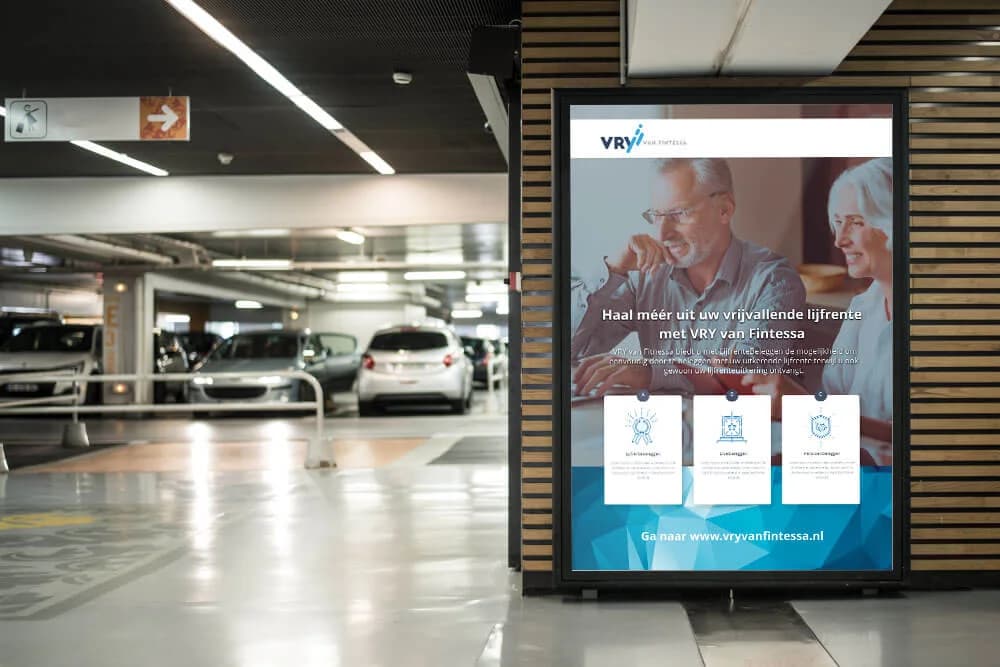
VRY van Fintessa.
AI implementation · VRY van Fintessa · 2026
The project in short.
A financial adviser who wants to be found in an age where the question no longer starts at Google but at an AI. We built the knowledge, the content and the site so that a language model can work with it, without handing the final edit to the machine.
From scattered knowledge to a working system.
The challenge
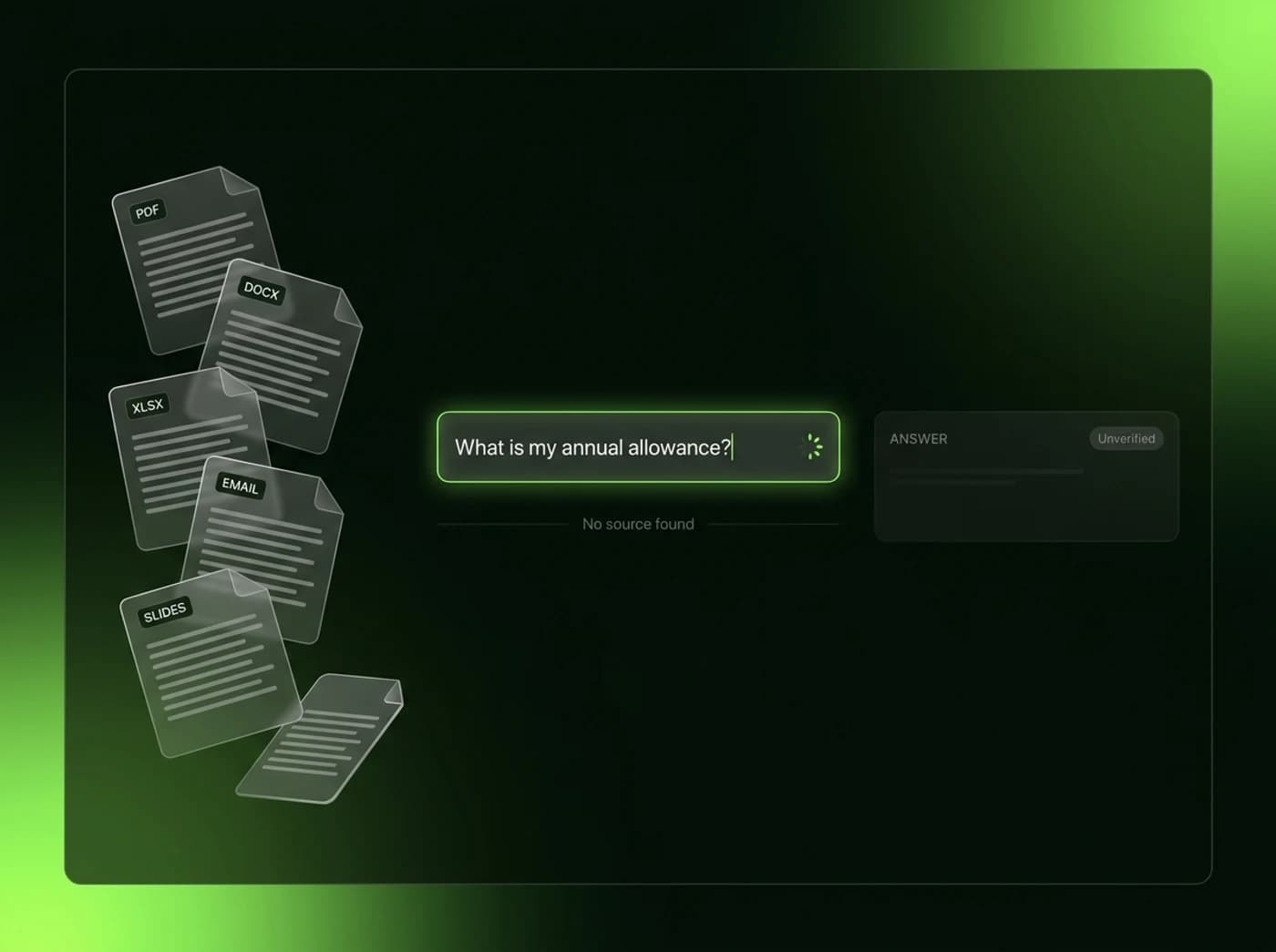
VRY wanted to reach new audiences in a sector where everyone says the same thing, and stay findable now that people put their question to an AI instead of to Google. Their knowledge sat scattered across documents, the site was not built to be understood by a language model, and every article cost a day of writing.
The approach
We started with their own data: three audiences worked through on wealth profile, entry thresholds and channels, so the choices that followed rested on figures instead of assumptions. On top of that we built a knowledge base running on European infrastructure, a content system that prepares articles from that knowledge base, and a calculator that tells someone their annual pension allowance in a few clicks. The site underneath is built with structured data and short answer blocks per page, so a language model can do something with it. Accessible to WCAG and the European Accessibility Act, which since 2025 is no longer a bonus.
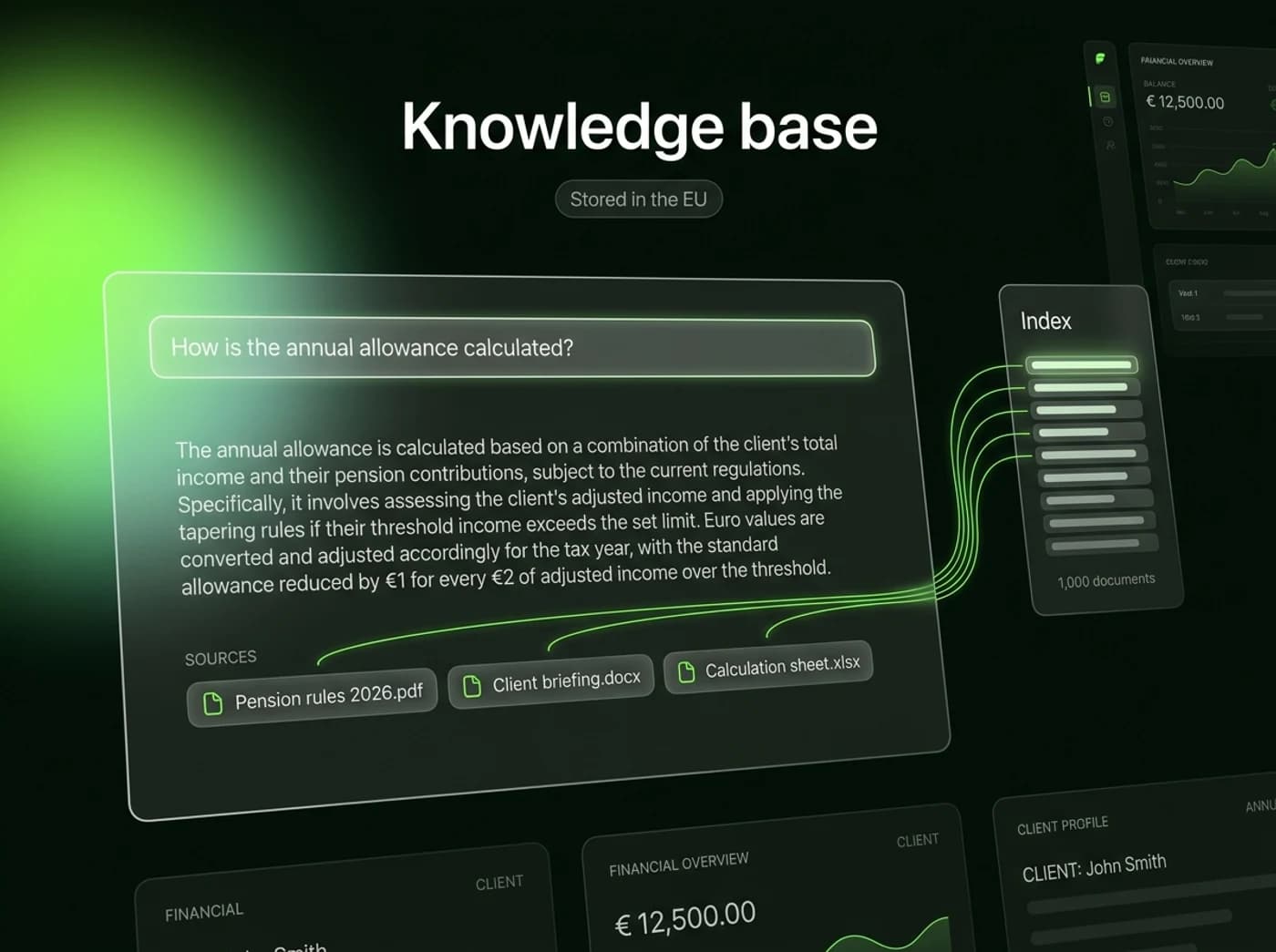
The knowledge base
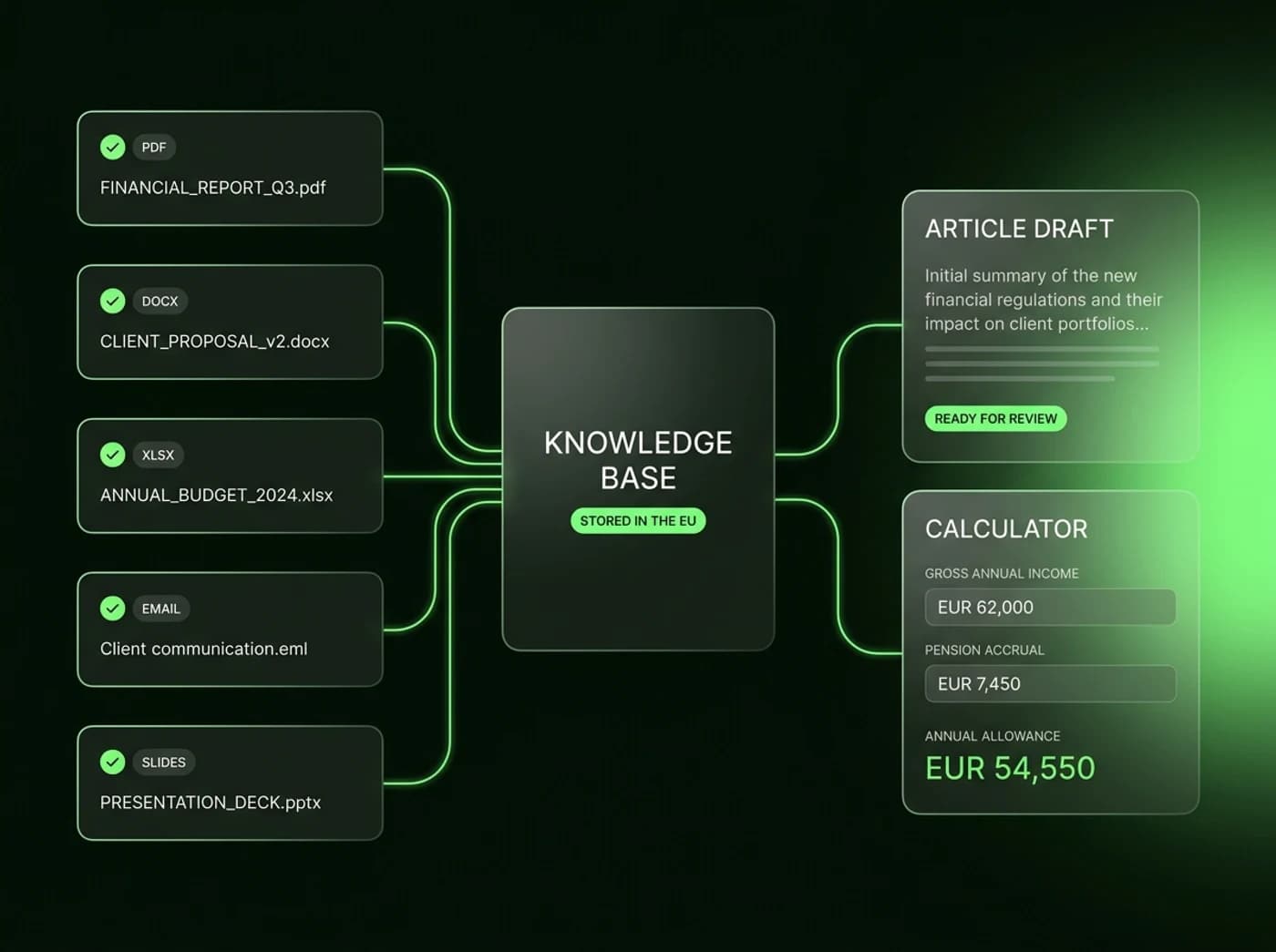
Everything VRY knows now sits in one place: documents, emails, presentations and spreadsheets, cut up and searchable by meaning rather than by keyword. Ask it something and the answer arrives with its source attached, so you can always check where it came from. The content is converted with a European model and the database sits in central Europe, so no client data leaves the EU. Taking content back out is a single tick.
From knowledge to article
The content system uses that knowledge base as its memory. It proposes a topic, pulls the facts from what VRY wrote itself, adds its own research and delivers a draft with sources. What comes next is deliberately human: an editor reads it back, cuts, and puts their name to it. We take you ninety percent of the way; the last ten percent is exactly where the difference sits between a piece that is correct and a piece that can be published.
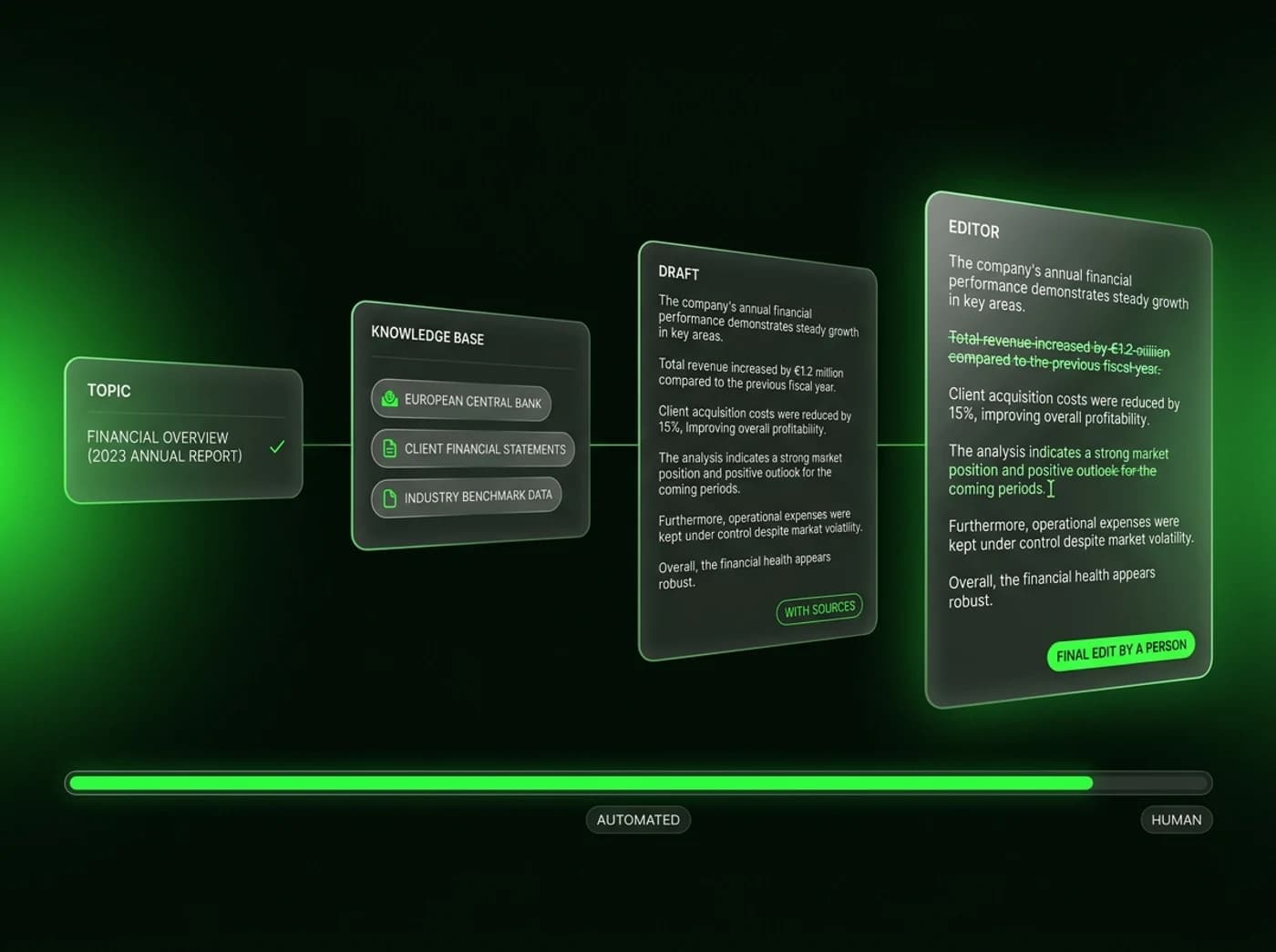
What it delivered.
Knowledge base on European infrastructure, data stays in the EU
Articles from a day of writing to an hour of editing
Annual allowance in a few clicks, keyboard and screen reader
Three audiences worked through on their own data
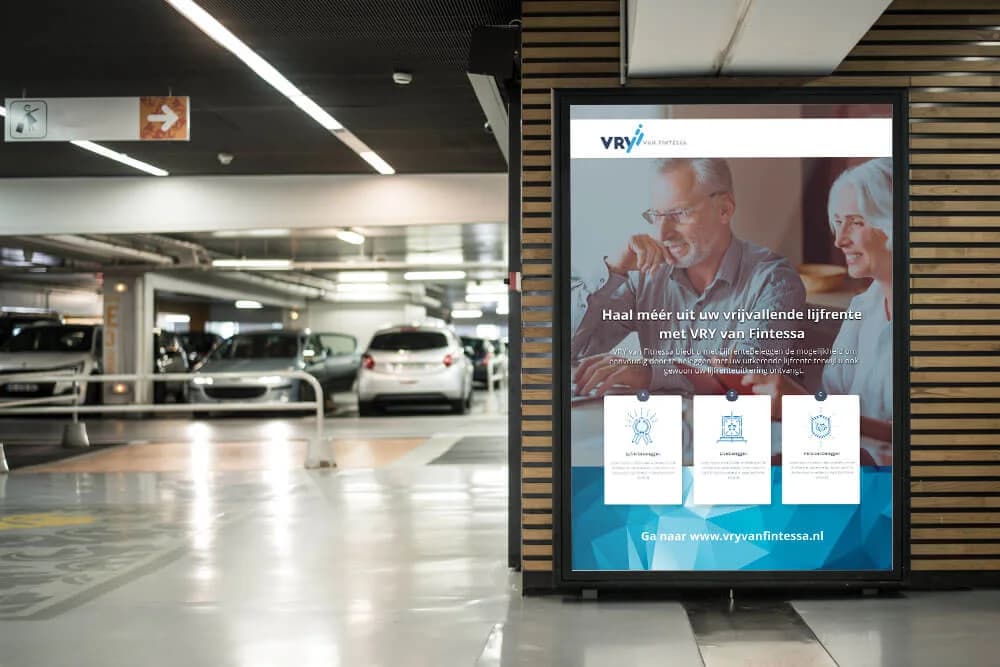
The brand in pictures.
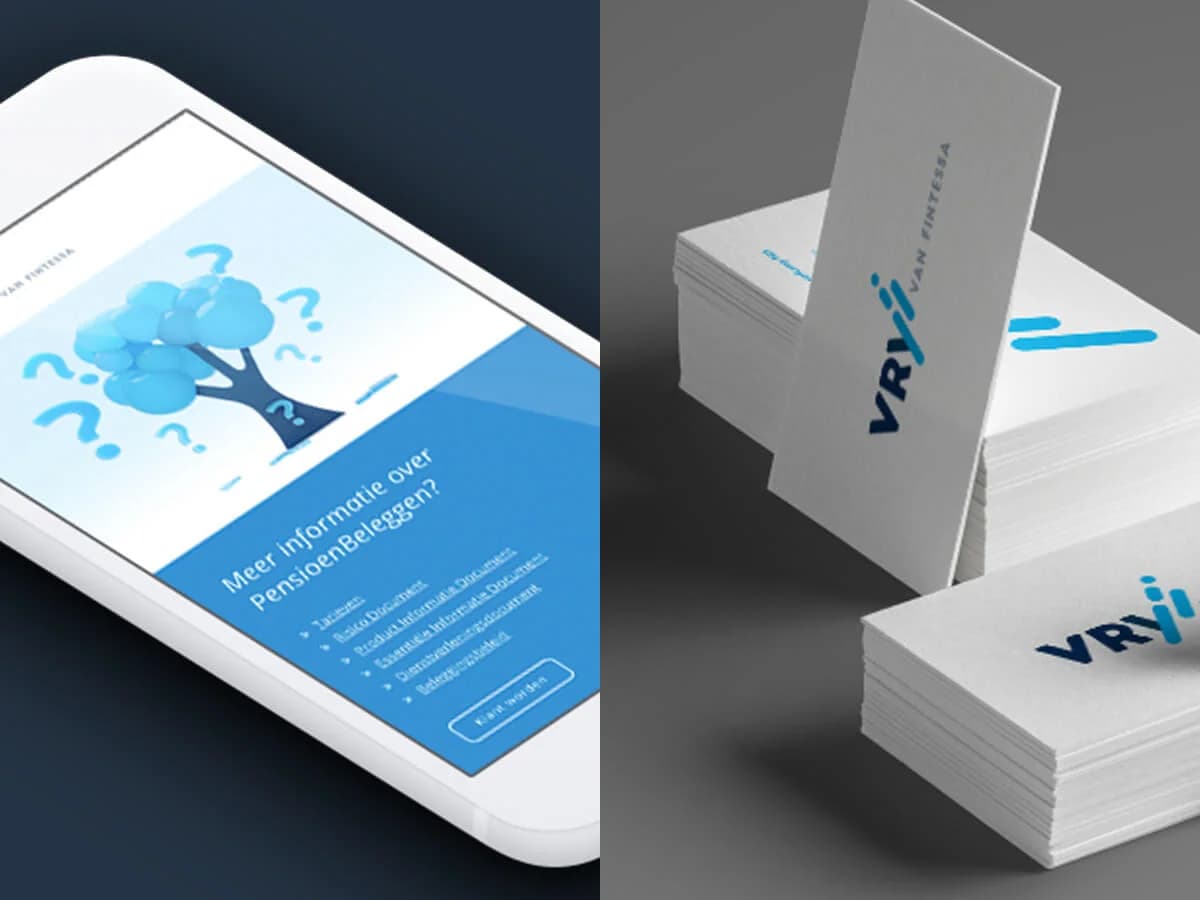
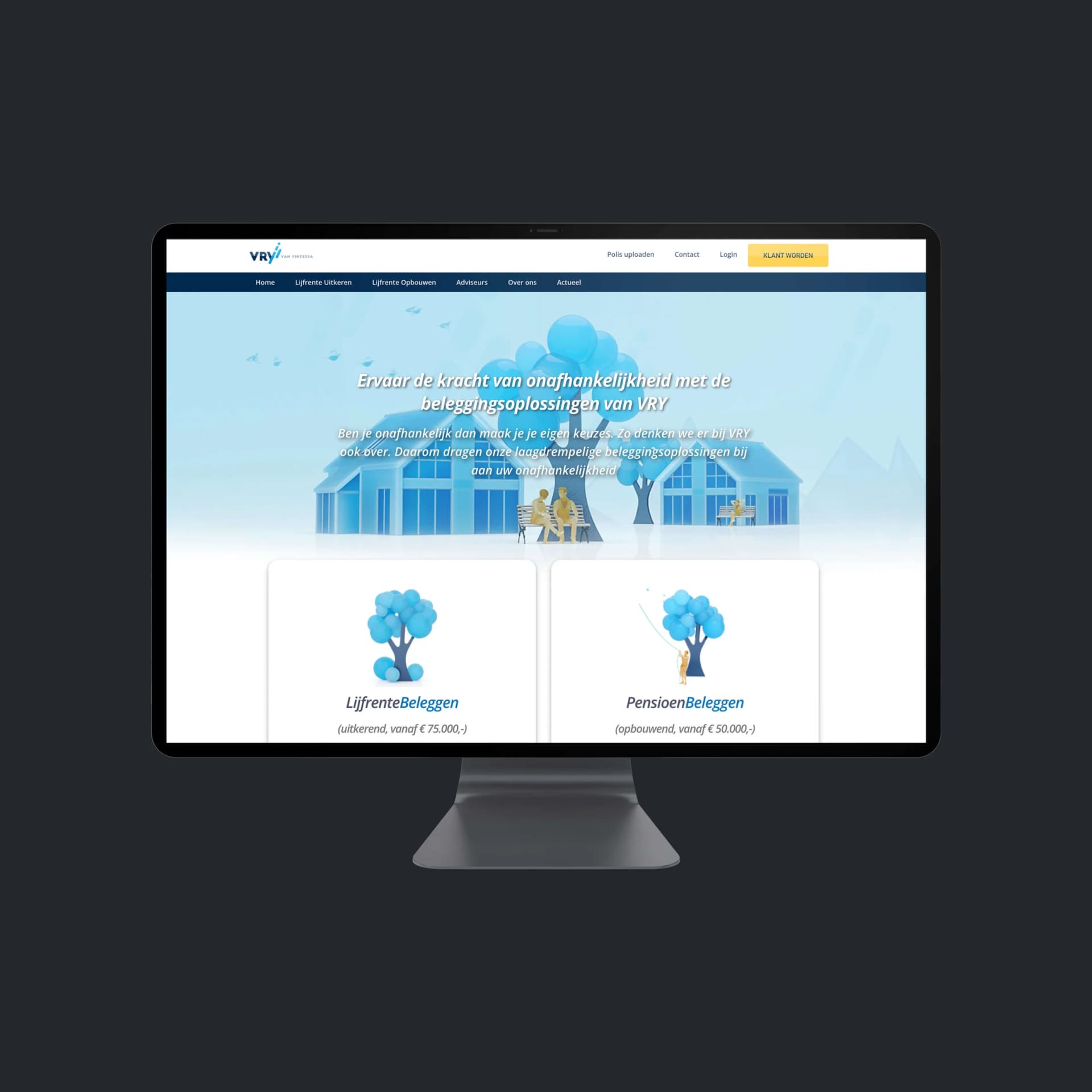
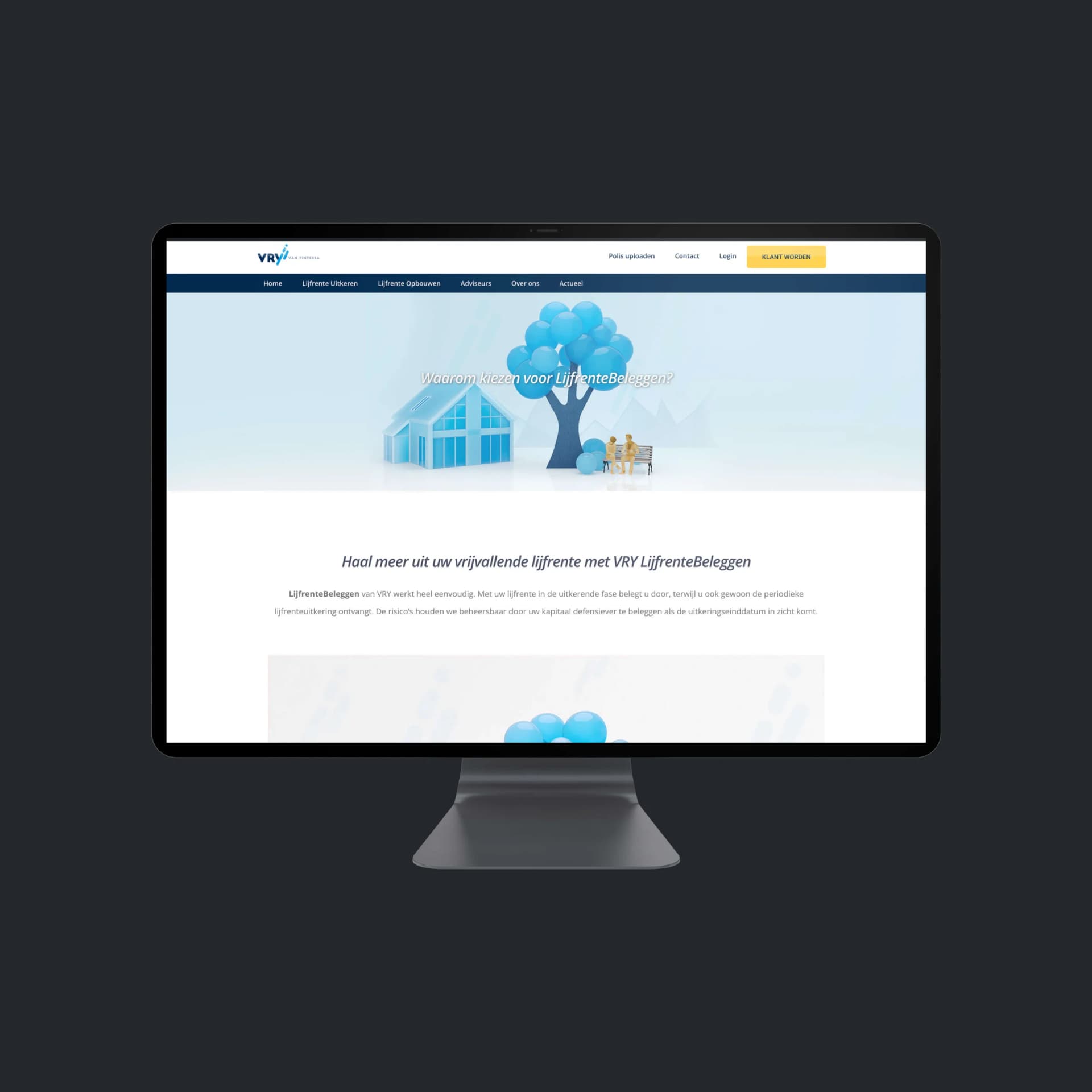

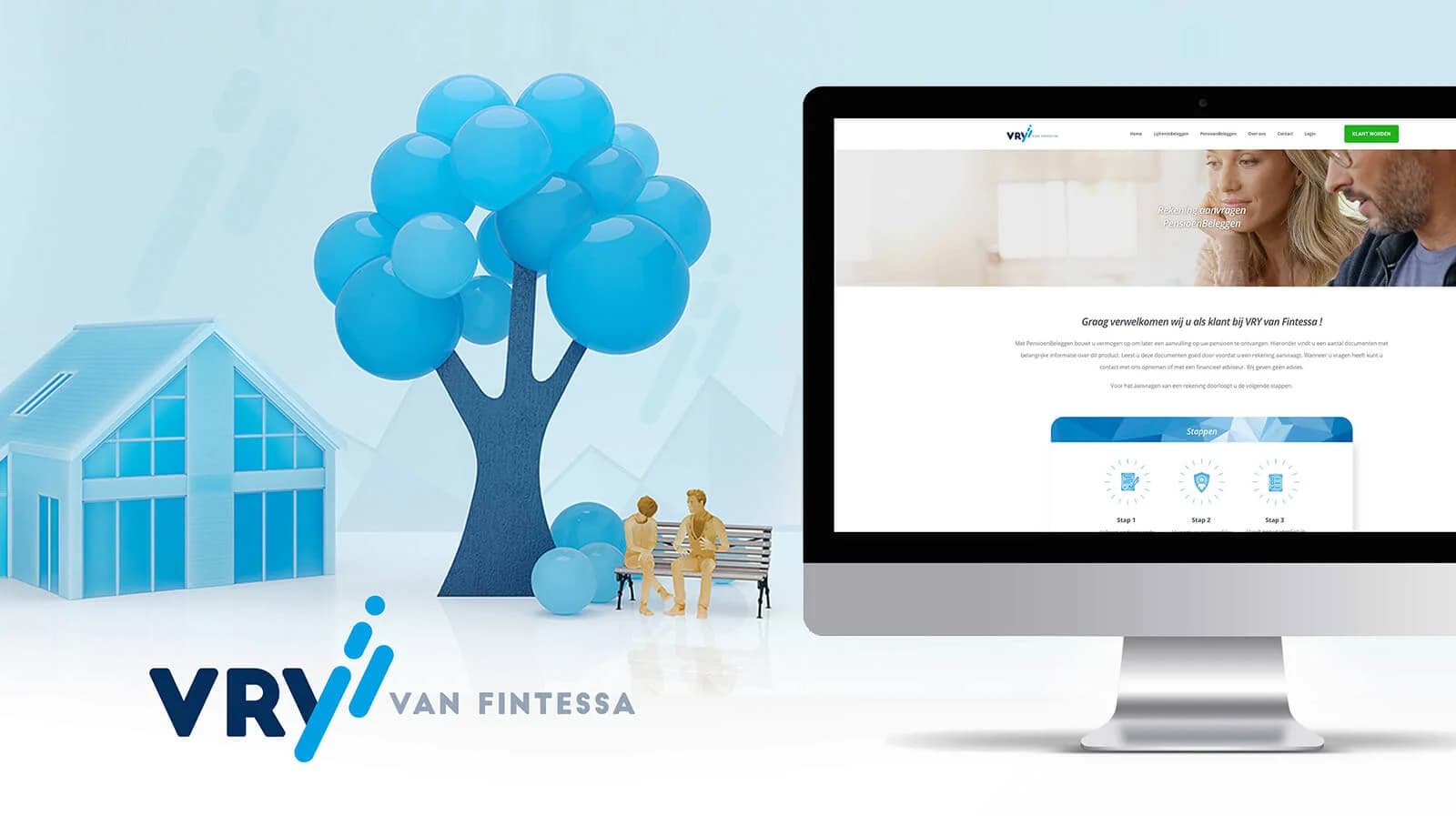
The system takes you a long way, but not all the way: a person always reads the last draft.
That is not a limitation, it is the design.

A system like this
for your knowledge?
Tell us where your knowledge sits today and what you want from it. In a free call we look at what can be automated.