
SaaS marketing, or Software as a Service marketing, is a specialised approach aimed at promoting and selling subscription-based software solutions. In this article we go into the unique aspects of SaaS marketing, strategies for winning new users, and the importance of shaping a tailored marketing strategy for your SaaS offering. Understanding the specific nature of SaaS marketing and how it differs from traditional product marketing is essential for B2B software companies. We will also explore the meaning of the SaaS marketing funnel and how success is measured in this dynamic landscape. We will discuss practical tactics such as optimising conversion rates on websites, establishing thought leadership, and building strong customer relationships. Whether you are new to SaaS marketing or you want to improve the strategies you already have, this comprehensive guide will give you valuable insights and usable techniques to move your SaaS business forward.

What is SaaS marketing?
SaaS marketing, also known as Software as a Service marketing, refers to the specific strategies and techniques used to promote and sell cloud-based software solutions to businesses and individuals. It involves making use of digital channels and customer-focused approaches to drive product awareness, acquisition and retention.
This form of marketing is about adapting traditional marketing methods to the unique needs of cloud-based software. It covers a range of promotional activities, including targeted online advertising, search engine optimisation, social media marketing and email campaigns.
On top of that, customer acquisition and retention strategies sit at the heart of SaaS marketing, because the aim is to attract new customers while also building loyalty and engagement among existing ones. That means understanding what customers need, delivering exceptional user experiences and offering continuous support.
SaaS marketing also stresses the use of data-driven insights to optimise marketing efforts. By analysing customer behaviour and preferences, companies can adjust their promotional activities to reach their target audience effectively and improve customer satisfaction.
What makes SaaS marketing unique
What makes SaaS marketing unique is the emphasis on customer relationships, subscription-based business models and tailored solutions for companies looking for scalable software services. SaaS marketing thrives by prioritising customer-focused approaches, where the focus is not only on winning new customers but also on nurturing and keeping the ones you have. That calls for a deep understanding of customer behaviour, preferences and pain points, which lets companies offer tailored solutions that meet specific needs. The subscription-based business model of SaaS creates a predictable and recurring revenue stream, which benefits companies and customers alike. It allows companies to scale their services to the needs of their customers, with flexibility and adaptability. The scalability of SaaS marketing lets companies adjust prices and services as they grow, so they can serve a wide range of customers while optimising their operations and resources. That flexibility is a key factor in the success of SaaS marketing in today's dynamic business environment.
Start by researching your ideal customer profile
Getting SaaS marketing off the ground involves thorough research to identify ideal customer profiles, understand what they need from a service, and tailor marketing strategies to attract and keep those valuable customers. Customer research is crucial because it gives you insight into the specific needs, pain points and preferences of the target audience. By analysing customer profiles, SaaS companies can develop personalised solutions that address the unique challenges different segments of their customer base are facing. Understanding service needs makes it possible to refine product offerings and create convincing value propositions. That in turn makes it possible to formulate targeted marketing strategies, so the message resonates effectively with the customer segments you have identified.
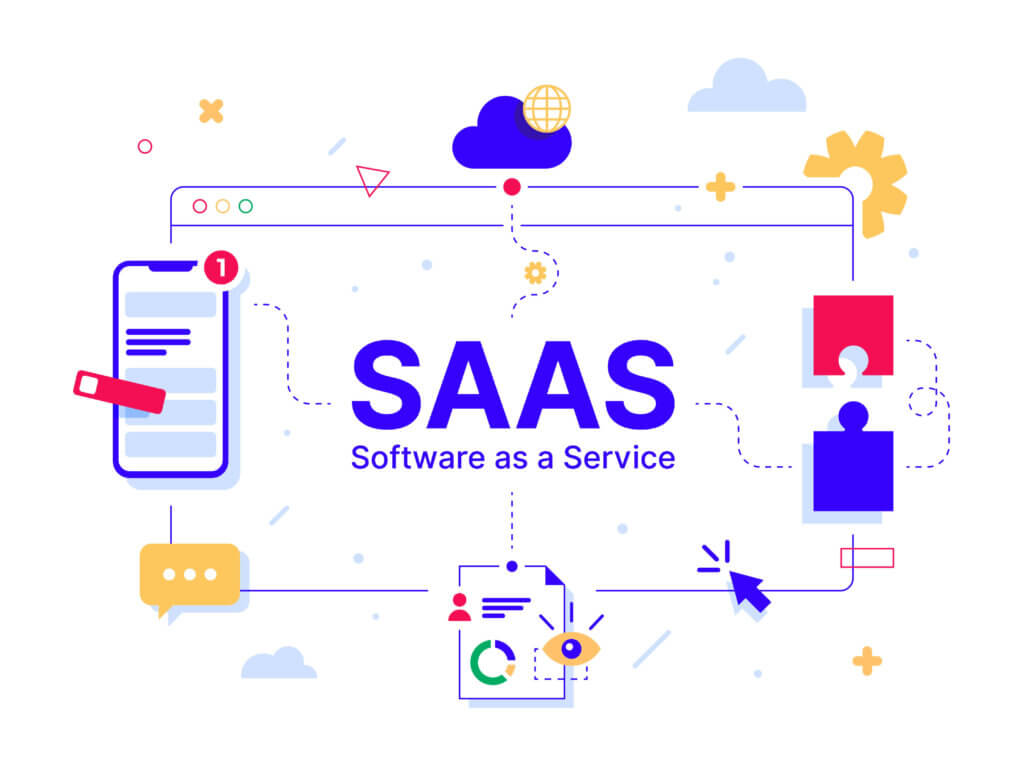
4 ways to win new users for SaaS
There are various methods for attracting new users to SaaS offerings, including freemium models, trial periods and showing the customer value proposition to drive adoption and conversions.
Freemium models let users access a basic version of the software for free, which tempts them to upgrade to a paid version for additional features and functionality. Trial periods give temporary but extensive access to the software, so users can experience its full capabilities before making a purchase decision.
Communicating the customer value proposition effectively helps users understand the benefits and unique selling points of the SaaS product, which in the end persuades them to become customers.
The freemium version
The freemium version of a SaaS product offers basic features for free, tempting potential customers to experience the value of the software and eventually convert into paying customers. Freemium models play a crucial role in the Software as a Service (SaaS) industry, since they serve as an entry point for users to explore the functionality and benefits of a product without any initial financial commitment. This strategy helps draw the attention of a wider audience, especially those who hesitate to invest in a product without experiencing its capabilities first. By offering a taste of the software's value through the freemium version, potential customers can judge how well it fits their needs, which leads to a better understanding of the product's benefits. That makes it easier to build trust and improves the chance of conversion, because users recognise the potential value the premium features could deliver.
Free trials
Offering free trials lets potential users experience the full capabilities and value of a SaaS product before they commit, so they can judge how relevant the software is to their needs.
This approach is instrumental in building confidence and trust among potential customers, because they get hands-on experience with the product's features and functionality. It also works as a powerful instrument for showing the value of the software by highlighting the unique selling points and competitive advantages, which sets it apart from other solutions on the market.
On top of that, free trials make user assessment easier, so individuals and companies can make informed decisions based on their specific requirements and the actual performance of the software.
Trials at a reduced rate
Offering trials at a reduced cost provides a middle ground, letting users experience the premium features and value of a SaaS product at a reduced rate before they sign up for a subscription.
By offering trials at a reduced cost, SaaS companies can present their premium features and give potential customers a taste of the full experience. This strategy lets users judge the value and benefits of the software, which creates a sense of investment in the product.
By offering discounted experiences, companies can tempt users to explore the various functions and capabilities, which in the end increases the chance of conversion to a paid subscription.
Demos
Giving product demonstrations lets potential users gain first-hand insight into the functionality, benefits and value proposition of a SaaS solution, which makes informed decision-making easier.
Measure the success of SaaS marketing
Measuring success in SaaS marketing involves tracking important metrics such as return on investment (ROI), customer acquisition cost (CAC), churn rate and net promoter score (NPS) to evaluate the effectiveness of campaigns and customer engagement.
Start small, think big!
Taking a 'start small, think big' approach in SaaS marketing means focusing on conversion optimisation, seamless onboarding experiences and personalised e-commerce strategies to drive scalable growth and customer satisfaction.
This approach lets SaaS companies prioritise conversion optimisation by refining the entire customer journey, from the first interaction to becoming a loyal user. Seamless onboarding experiences play a crucial role in keeping customers by making sure they understand the value proposition and functionality of the software right from the start.
On top of that, e-commerce personalisation is becoming ever more important in creating tailored experiences, understanding user behaviour and adjusting offers, which improves both customer satisfaction and the sales conversion rate.
Be creative with the marketing channels and campaigns you use
Creativity in the marketing channels and campaigns you use for SaaS means making use of SEO strategies, content marketing initiatives and impactful engagement on social media to widen your reach, drive user engagement and build brand loyalty.
In the area of SEO, putting creativity to work translates into writing compelling meta descriptions, optimising for featured snippets and producing keyword-based content that captivates the intended audience.
Within the domain of content marketing, creativity shines in developing engaging blog posts, infographics, videos and case studies that resonate with potential users and demonstrate thought leadership.
Similarly, in engagement on social media, creative campaigns captivate followers, get conversations going and share valuable insights, which creates a community that engages with the values and offerings of the SaaS brand.

Develop a marketing strategy specific to your SaaS solution
Developing a tailored marketing strategy for your SaaS solution involves integrating customer relationship management (CRM) tools, making use of cloud-based resources, and aligning marketing initiatives with the unique value propositions of your software offering. To start with, CRM integration is essential for managing customer data and improving interactions effectively. Integrating CRM tools lets companies gather and analyse valuable customer insights, which makes personalised marketing efforts possible. Using cloud-based resources improves flexibility, scalability and accessibility, so SaaS solutions can deliver services efficiently. Aligning marketing initiatives with the unique value propositions of the software offering makes sure targeted messaging resonates with potential customers, which communicates the benefits and differentiators of the SaaS solution effectively.
Optimise your website conversion rate
Optimising your website conversion rate in SaaS marketing involves making use of Google Ads, refining your website content and implementing user-focused design elements to improve user engagement and drive conversions.
One crucial aspect of website conversion optimisation is the use of Google Ads to attract qualified traffic and take advantage of high-intent searches. By strategically targeting relevant keywords and optimising ad copy, SaaS companies can guide potential customers to their websites efficiently.
Refining your website content is essential for engaging visitors and guiding them through the conversion funnel. Appealing copy, clear value propositions and convincing calls to action all contribute to higher conversion rates.
Implementing user-focused design elements, such as intuitive navigation, responsive layouts and personalised user experiences, plays an important role in encouraging user engagement and building trust, which in the end leads to higher conversions.
Put your expertise in the spotlight and become a thought leader
Showing your expertise and establishing thought leadership in SaaS marketing means prioritising brand initiatives, nurturing leads and using strategic storytelling to build credibility and influence within the industry.
Thought leadership in SaaS marketing plays a vital role in creating a distinctive brand identity. By putting the emphasis on brand initiatives, companies can communicate their values, mission and unique selling propositions to the target audience effectively, which builds brand recognition and loyalty.
Nurturing leads means cultivating relationships with potential customers and guiding them through the buying journey, which increases the chance of conversion and customer retention.
Strategic storytelling, on the other hand, lets SaaS companies connect with their audience on a deeper level. Through compelling stories, companies can humanise their brand, evoke emotional responses and set themselves apart in a competitive market. Together these strategies establish thought leadership and pave the way for industry influence and customer trust.
Focus on the solutions you offer
Putting the attention on the solutions you offer in SaaS marketing means emphasising customer value, making use of CRM capabilities, and highlighting the technological capability of the software to address specific business needs and challenges.
One of the most important points of attention in SaaS marketing is making sure customer value sits at the centre of the solutions you offer. By understanding the needs and preferences of end users, SaaS companies can align their offering with those specific requirements, which strengthens customer satisfaction and loyalty.
Making use of CRM capabilities lets companies streamline their customer interactions, manage leads and automate marketing processes, which results in better customer engagement and retention. Those capabilities make it possible to gather and analyse valuable customer data to drive personalised marketing strategies.
Highlighting the technological capability of SaaS software means showing off the advanced features, integration options and scalability that are instrumental in addressing the evolving challenges of modern businesses. That technology-based approach positions SaaS solutions as adaptable and future-proof, so they meet the dynamic needs of organisations across different industries.
Nurture your potential and existing customers
Nurturing potential and existing customers in SaaS marketing involves prioritising customer success programmes, encouraging affiliate marketing partnerships and organising engaging events to enrich user experiences and build long-lasting loyalty. Effective customer success programmes play an essential role in guiding users towards getting the most value out of the software, guaranteeing their satisfaction and making long-term use easier. By setting up robust support systems, continuous learning resources and personalised onboarding processes, SaaS companies can respond proactively to what customers need and strengthen their loyalty. Making use of affiliate marketing not only widens the reach of a SaaS product through trusted networks, it also adds an element of social proof, because satisfied customers advocate for the solution. Working together with industry influencers and affiliates can improve the credibility of the brand, generate organic traffic and lead to more sign-ups and conversions. On top of that, organising engaging events such as webinars, user conferences and workshops gives you a chance for direct interaction, knowledge sharing and relationship building. Those moments cultivate a sense of community among users, which creates a deeper connection with the product and the brand, and in the end results in a high level of customer retention.
Use SaaS solutions for your own marketing too
Making use of SaaS solutions for your marketing efforts means integrating content automation tools, making use of innovative technologies and using specialised platforms to streamline and improve your marketing initiatives.
Content automation plays a crucial role in SaaS marketing strategies, because it makes the dynamic creation and distribution of personalised content possible at scale. By integrating SaaS solutions with content automation, companies can manage their content production processes efficiently, while keeping quality and relevance consistent across different marketing channels.
Technology integration within SaaS solutions makes seamless connectivity with other marketing tools possible, which improves data analysis, customer insights and overall campaign performance. That integration makes it possible to automate tasks that used to be manual, which frees up time for marketers to focus on strategy and creativity.
Specialised platforms offered by SaaS providers meet the specific needs of different industries and marketing functions. These platforms offer holistic solutions for customer relationship management, social media management and analysis, so marketers can make data-driven decisions and hit their key performance indicators.
How does SaaS marketing differ from product marketing?
The distinction between SaaS marketing and traditional product marketing lies in the emphasis on technology-driven solutions, recurring revenue models, and the measurement of specific metrics such as monthly recurring revenue (MRR) and customer acquisition cost (CAC).
For SaaS marketing the emphasis is on making use of advanced software solutions, cloud computing, and data-based analysis to deliver scalable and flexible subscription services to customers. Traditional product marketing, by contrast, often focuses on one-off sales and physical product delivery, with less reliance on technology integration.
SaaS companies work with a recurring revenue model, where customers pay a regular fee for ongoing access to the software, which results in predictable revenue streams. Product-based companies, on the other hand, depend on one-off purchases, which leads to less consistent cash flows.
When it comes to measuring metrics, SaaS marketing keeps a close eye on MRR to understand the financial health and growth rate of the subscription business. The focus is on expanding the customer base while minimising churn to grow recurring revenue. Product marketing, meanwhile, may put more emphasis on one-off sales figures, with a different set of metrics to measure success.
Customer acquisition is also approached in different ways in these two marketing models, with SaaS companies often analysing CAC to make sure the cost of acquiring a customer is balanced effectively against the lifetime value (LTV) of customers, working towards long-term profitability.
Why does SaaS marketing matter?
The significance of SaaS marketing comes from the crucial role it plays in driving e-commerce efficiency, strengthening CRM capabilities and nurturing leads through personalised and scalable strategies suited to the digital landscape. By using the power of Software as a Service (SaaS) tools, companies can optimise their e-commerce operations, streamline processes and improve the overall customer experience. With the advanced analytics and automation features SaaS marketing platforms offer, companies can gain deep insight into customer behaviour and preferences, which lets them set up targeted campaigns and promotions that resonate with their audience. This approach not only encourages a more efficient and effective CRM infrastructure, it also makes more flexible and responsive lead nurturing possible. By using the inherent adaptability of SaaS solutions, companies can connect with potential customers on a more personalised level, which creates stronger relationships and drives conversions. As a result, SaaS marketing plays a crucial role in modernising and elevating digital commerce, CRM and lead nurturing practices, which in the end lets companies thrive in an ever more competitive market landscape.
The SaaS marketing funnel
The SaaS marketing funnel represents the structured process of customer acquisition, engagement and retention, integrating referral campaigns, sales promotions and strategic nurturing to optimise conversion and loyalty.
At the top of the funnel, customer acquisition strategies come into play. This first stage is often about raising awareness of the SaaS product through various channels, such as social media, Google, content marketing and SEO. Once potential customers are engaged, the focus shifts to nurturing their interest and encouraging them to take specific actions, such as signing up for a free trial or attending a webinar.
Further down the funnel, customer engagement and retention become crucial. SaaS companies often implement referral campaigns to put their existing customers to work as advocates and attract new leads. Sales promotions and special offers can encourage both new and existing customers to keep engaging with the product. Strategic nurturing plays an integral role in holding on to a strong customer base. That covers personalised communication, user onboarding and continuous support to make sure customers get maximum value out of the SaaS product.
By understanding the meaning of each stage and implementing targeted strategies, companies can optimise their SaaS marketing funnel effectively for sustainable growth and success.
Are you looking for an SEO agency to boost your technical SEO? Feel free to get in touch through the contact form.